Cross-Border & Customs
Customs Clearance into Canada: Where to Start
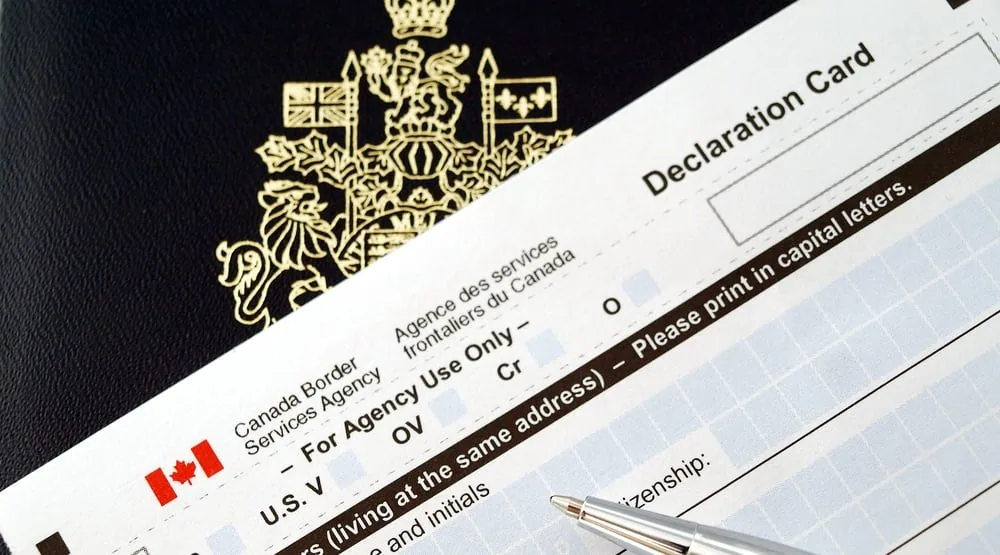
Customs clearance is where most first-time importers and exporters get stuck. It involves various steps and requirements that need to be met to ensure compliance with Canadian customs regulations.
If you’re bringing commercial freight into Canada by truck, start before pickup. Confirm who’s importing it, whether their importer account is ready and who’s handling the release request. A pallet can be wrapped, labelled and waiting on the dock while the importer still has work to do.
1. Set up the Canadian importer account
Confirm who will act as the importer. A commercial importer needs a business number and an import program account, known as an RM account, in the CARM Client Portal. Together, these make up the importer’s BN15. If a customs broker will act for the importer, complete the broker authorization and delegate the appropriate access in CARM.
If you’re setting up for the first time, start with our guide to CARM. If you already import, check that the broker has access to the correct account for this shipment.
2. Confirm how duties and taxes will be paid
Release Prior to Payment, or RPP, is an option for eligible importers who want goods released before paying applicable duties and taxes. If you intend to use it, confirm your account’s enrollment and any financial security requirements before shipping. If you don’t have RPP, ask your broker about submitting a C-type Commercial Accounting Declaration and paying applicable duties and taxes at release.
3. Send the paperwork while the freight is still at the dock
Get the commercial invoice from the supplier. Ask for packing details if the invoice doesn’t show what’s on each pallet. Give the broker the exact goods, where they were made and why they’re coming into Canada, especially if it’s a return, repair or transfer rather than a purchase. The broker can flag product-specific requirements and confirm what’s missing.
Send Moto your broker’s contact information and the shipment details. Our customs document checklist breaks down who supplies each document.
4. Follow the shipment through release
The highway carrier sends advance cargo and truck information to the Canada Border Services Agency. The importer or its authorized broker handles the release request. CBSA decides whether to release the goods, ask for more information or examine the shipment.
If the goods haven’t been released, ask what’s outstanding before rescheduling delivery. If the shipment is authorized to move inland under customs control, here’s what it means when freight goes in bond.
Have a broker already? Send us their details and we’ll coordinate the paperwork for the move. Need one? Talk to Moto about Canadian customs clearance before you book pickup.