Industry News
Market Update: Bulk Rates Fall and the Convoy Protests
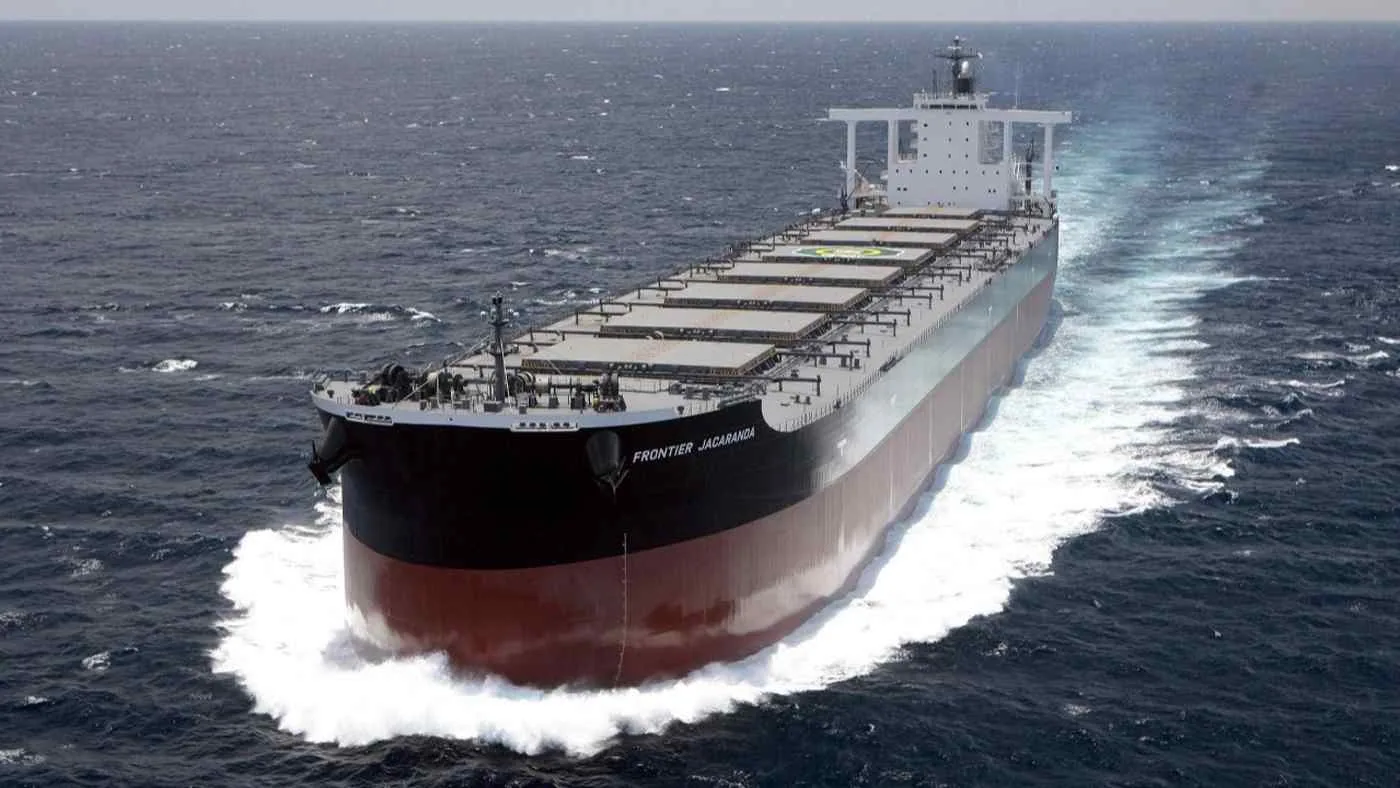
Bulk shipping rates fall 90% as China's output shrinks
Shipping rates on the bulk side are sliding as China’s economy starts to slow and demand for raw materials weakens. Shipping costs are based on ship supply and demand and bulk ships are starting to become more available.
Signs that China’s strong economy is in trouble started a few months ago with the Chinese housing industry. Evergrande, one of China’s largest homebuilders is currently in default with 300 billion in debt and making the market nervous. This has caused a ripple effect in the Asian housing market with the hopes that it can be contained. It will be interesting to follow this story as the container side of shipping is still wide open and backed up for months to come.
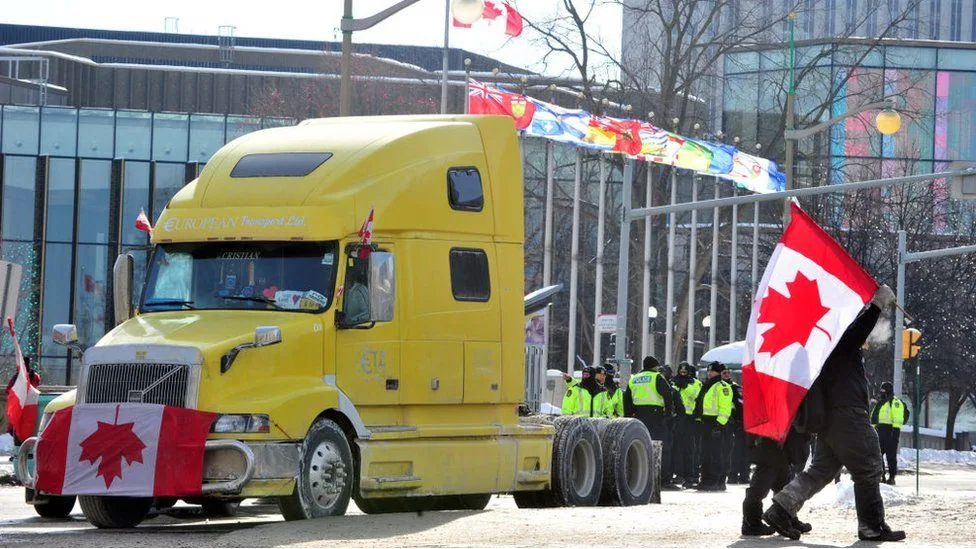
Trucker protests over COVID mandates spread across Canada
While most news outlets choose to not report on the rally, it is seeming to grow greater in size every week in Canada and around the world. Even though truckers are at forefront of this peaceful protest, farmers and regular Canadian citizens across the country have joined the movement in great numbers. Canadians are in the middle of winter and have endured long and harsh lockdowns in most of the country. Counter protests have sprung up as well increasing the division caused by government restrictions.
Every major city in Canada is seeing a portion of its citizens protesting against government mandates, all sparked by a few truckers. While the majority of large trucking companies and Canadian trucking alliances denounce the movement, they can not deny that government involvement in any industry is most unwelcome at a time when they are all struggling to find drivers and meet customer demands. The industry is somewhat proud of the attention it is getting but knows that these restrictions could be lifted as quickly as 48 hours if all the truckers decided to take a few days off at the same time.
Ocean rates are not our lane, but what arrives at the port still has to move inland. Cross-border freight is the leg we handle.