Industry News
Freight market update, 8 July 2022
7 Major Economies Face Recession Threat
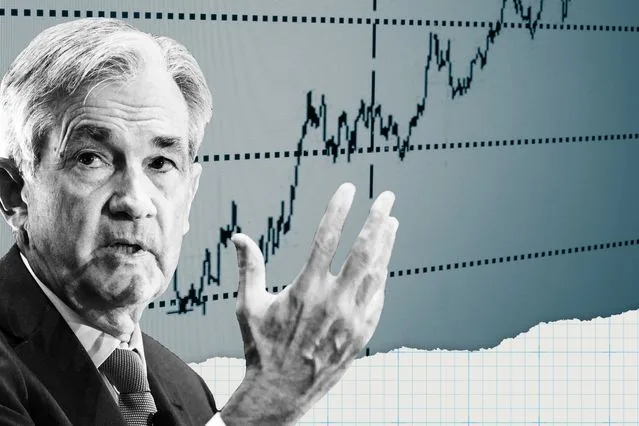
Six major economies will join the United States in falling into recession in the coming year, according to economists. The euro area, the U.K., Japan, South Korea, Australia, and Canada are expected to also see economic growth contract in the coming months. Tightening monetary policy, hyperinflation, consumer confidence, and worsening financial conditions are the main reasons for the downturn. Furthermore, the world economy’s “synchronized growth slowdown” means that countries won’t be able to rely on exports to pull them back into expansion. China, the world's second-largest economy, may avoid another economic contraction after emerging from one in the second quarter of 2022. But massive defaults in the Chinese housing sector are putting extreme pressure on the country. Economists predict these slowing economic conditions for Canada and the US to take hold in the fourth quarter of 2022. Buckle up.
Asian Ports Reopen Post-Lockdown, Backlogs Remain
Daily operations at Shanghai’s port have almost fully recovered from the effects of the city’s Covid-19 lockdown, though the backlog from disruptions to the port and nearby factories will likely continue to cause shipping congestion well into the year.
Daily container throughput -- a measure of cargo handling activity -- at Shanghai port has rebounded to 95.3% of the normal level. Cargo throughput at major Chinese ports between May 1 and May 24 was up 4.2% from the same period in April, but down almost 1% compared to 2021.
However, the improvement in the port hasn’t been accompanied by a rebound in trucking, as a shortage of drivers and vehicles continues to hamper the delivery of goods to and from the port. Truck Freight indexes were 81% lower in the first three weeks of May compared to 2021, after a drop of 84% in April.
While the lockdown of Chinese ports is slowly being lifted, the effects on production and supply chains will likely be felt for months. As firms reopen there will be a rush to purchase raw materials, and then a flood of finished goods leaving factories as companies try to make up for lost time.